Condo Renovation Guide Malaysia 2026: What First-Time Owners Need to Know

Renovating a condominium in Malaysia is one of the most exciting milestones for first-time homeowners — but it comes with a unique set of rules, constraints, and decisions that landed property owners never face.
From management approvals and restricted working hours to structural limitations and neighbour considerations, a condo renovation requires careful planning long before any hacking begins. This guide covers everything you need to know, whether you're in Petaling Jaya, Kuala Lumpur, Shah Alam, or anywhere else in the Klang Valley.
Key takeaways
Every condo renovation in Malaysia needs management approval before work begins — skipping this step risks fines and stop-work orders.
Structural walls, columns, and facades are off-limits. Only non-load-bearing partition walls can be removed.
Budget RM50,000–RM100,000 for a mid-range three-bedroom condo renovation in the Klang Valley, plus a 15% contingency.
Waterproofing your bathroom is the single most critical step — leaks into the unit below are the most common condo dispute.
A realistic timeline is 8–12 weeks. Build buffer into your schedule for delays.
Condo Renovation Rules and Management Approval
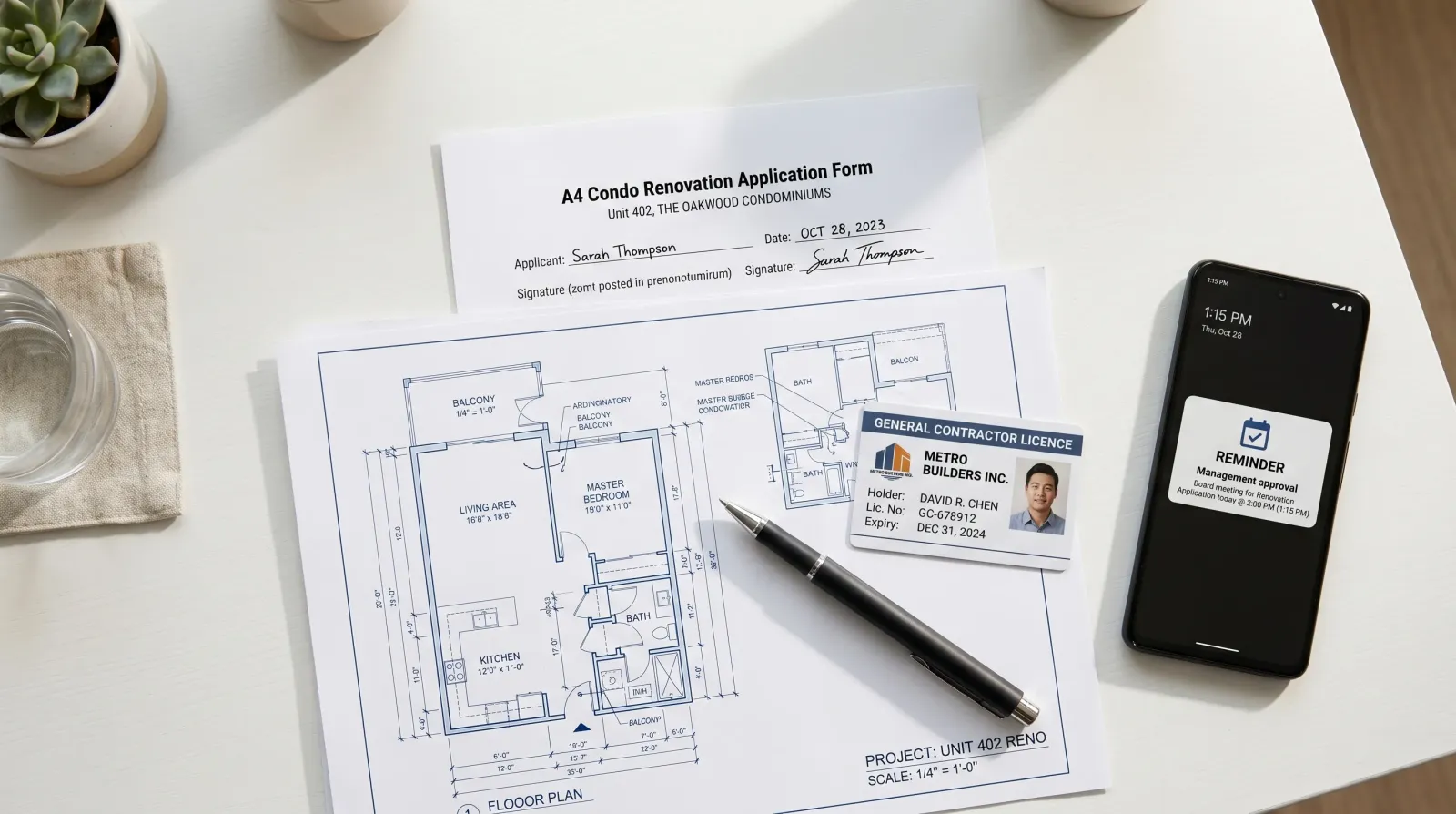
The first step in any condo renovation is understanding your management's renovation guidelines. Every condominium in Malaysia is governed by a Joint Management Body (JMB) or Management Corporation (MC) that sets specific rules about what you can and cannot do.
These rules typically cover:
- •Permitted working hours — usually 9am to 5pm weekdays, 9am to 1pm Saturdays, no work on Sundays or public holidays
- •Noise restrictions — no hacking or drilling outside approved hours
- •Lift usage — designated service lifts for material transport
- •Loading zones — specific areas for deliveries and debris removal
Before you engage a contractor or interior designer, visit your management office and request a copy of their renovation guidelines. This document will shape every decision that follows.
Submitting your renovation application
Most condo managements require a formal application that includes your proposed floor plan, a list of works, and your contractor's details including insurance and company registration.
You'll also need to pay a renovation deposit — typically between RM5,000 and RM20,000 depending on the development. This is refundable after your renovation passes a final inspection. The approval process usually takes one to two weeks, so factor this into your timeline.
Starting work without approval can result in fines, a stop-work order, or forfeiture of your deposit.
What You Can and Cannot Change in a Condo
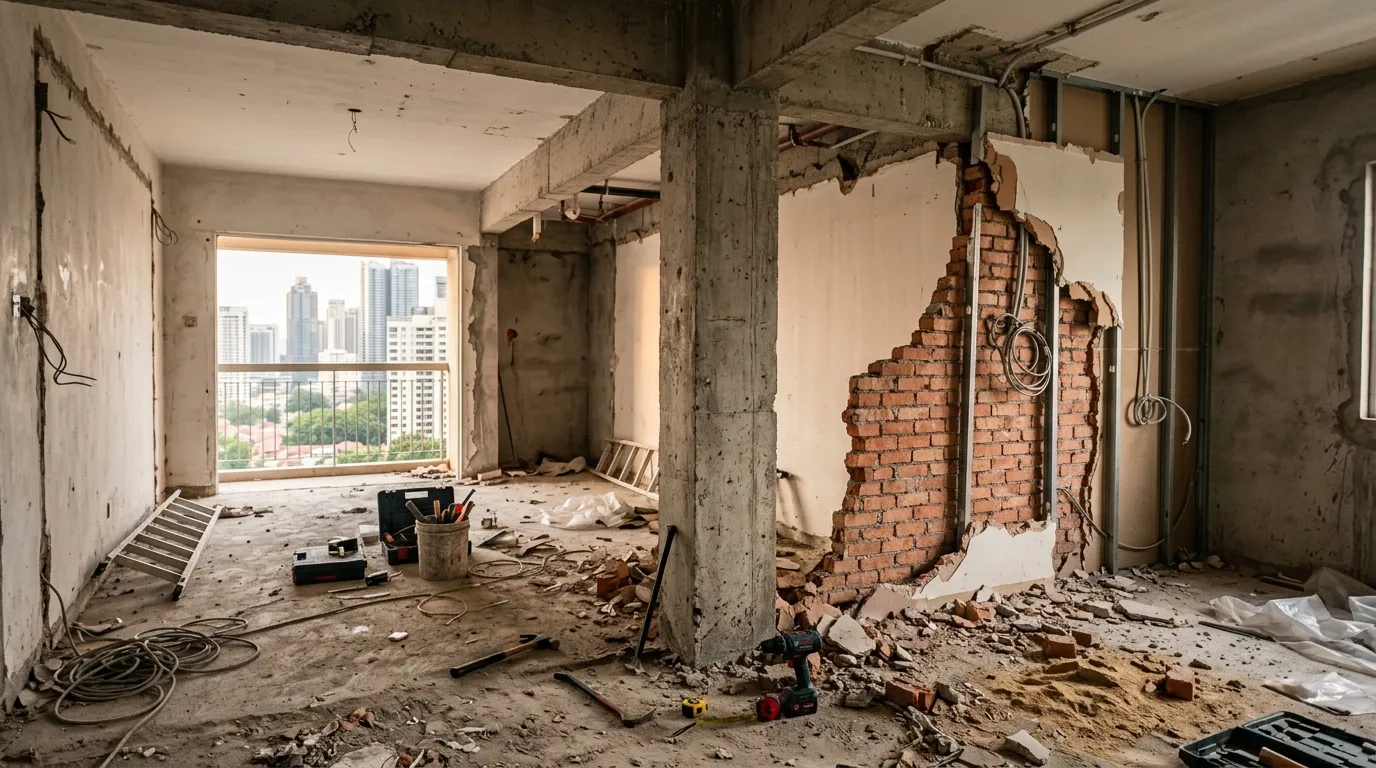
In Malaysian condominiums, structural walls, columns, beams, external facades, and common property are strictly off-limits. You cannot hack through structural walls to create an open-concept layout — doing so compromises the building's structural integrity and violates building regulations.
However, non-structural partition walls (also called dry walls or non-load-bearing walls) can usually be removed or repositioned, subject to management approval. If you're unsure whether a wall is structural, your interior designer or a qualified engineer can verify this before demolition.
Plumbing constraints
Your unit's plumbing connects to a shared vertical stack that runs through the entire building. Relocating wet areas is technically possible but comes with significant challenges:
- •Extending piping runs requires proper gradient, which raises floor levels
- •Moving a toilet more than a metre from the original stack is complex and expensive
- •Reduced ceiling height is a common side effect of relocated plumbing
The most cost-effective condo renovations work with existing wet area locations rather than against them.
How Much Does a Condo Renovation Cost in Malaysia?
Budgeting depends heavily on scope. Here's a general guide for a standard three-bedroom unit in the Klang Valley:
| Scope | Cost Range | What's Included |
|---|---|---|
| Basic refresh | RM15,000–RM35,000 | Repainting, new flooring, updated lighting, minor touch-ups |
| Mid-range renovation | RM50,000–RM100,000 | Custom carpentry, new kitchen, updated bathrooms, new flooring throughout |
| Full gut renovation | RM100,000–RM200,000+ | Premium materials, extensive carpentry, electrical rewiring, high-end fixtures |
Always set aside an additional 10–15% of your total budget as a contingency fund. Unexpected issues — concealed wiring, water damage behind walls, asbestos in older buildings — surface in nearly every renovation.
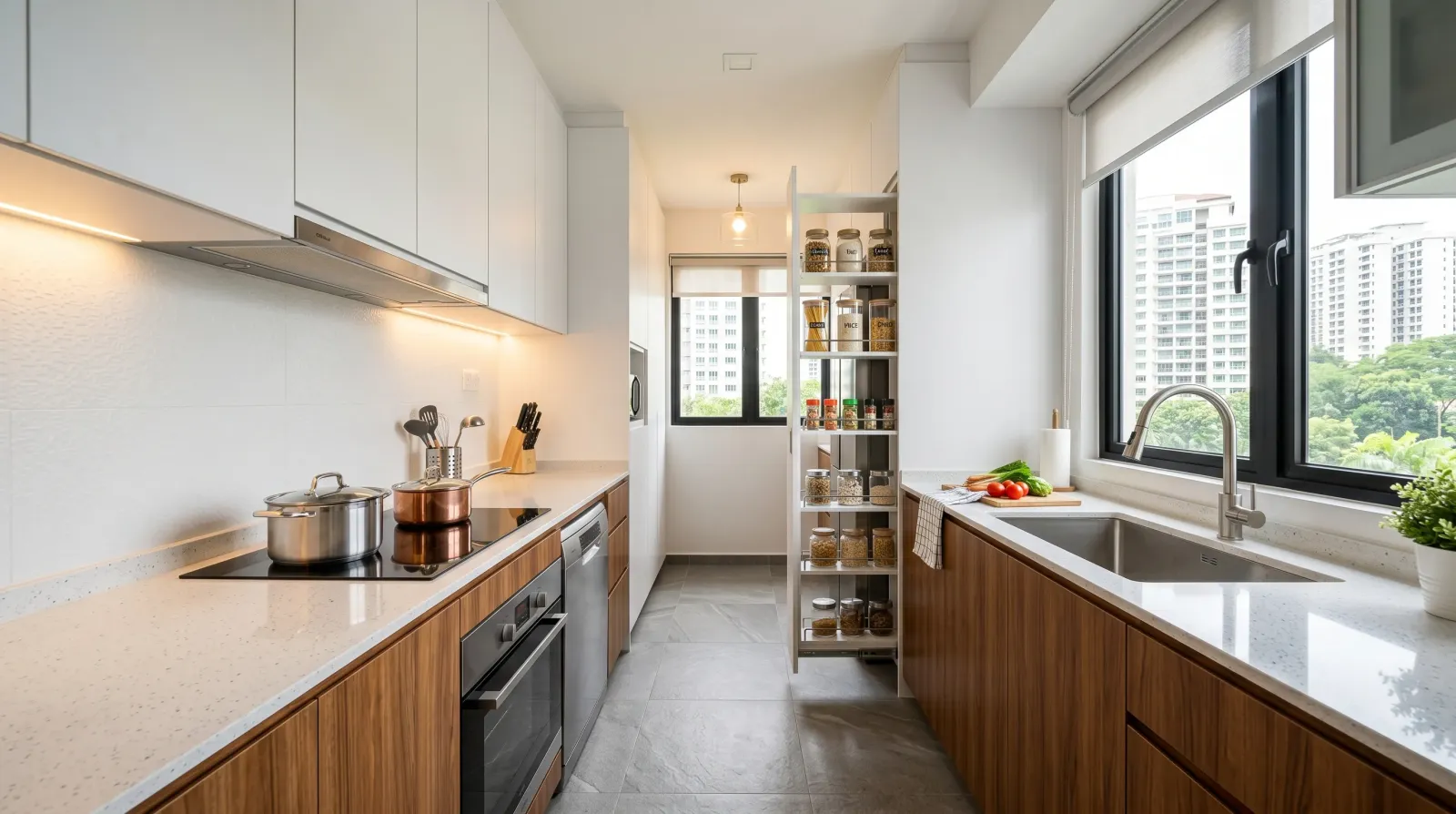
Kitchen Renovation in a Condo
The kitchen is usually the most complex and expensive room. In most Malaysian condos, the kitchen is compact — typically 50 to 80 square feet — so maximising every centimetre is essential.
Effective space-saving strategies include:
- •Ceiling-height upper cabinets that eliminate the dust-collecting gap above
- •Pull-out pantry units in narrow gaps beside the fridge
- •Corner carousels to make use of dead corner space
- •Built-in appliance housings to keep countertops clear
If your unit has a separate wet and dry kitchen, consider whether this layout suits your cooking style. Some homeowners prefer to open up the wall for a larger combined kitchen, while others value the separation for heavy wok cooking — a common consideration in Malaysian households.
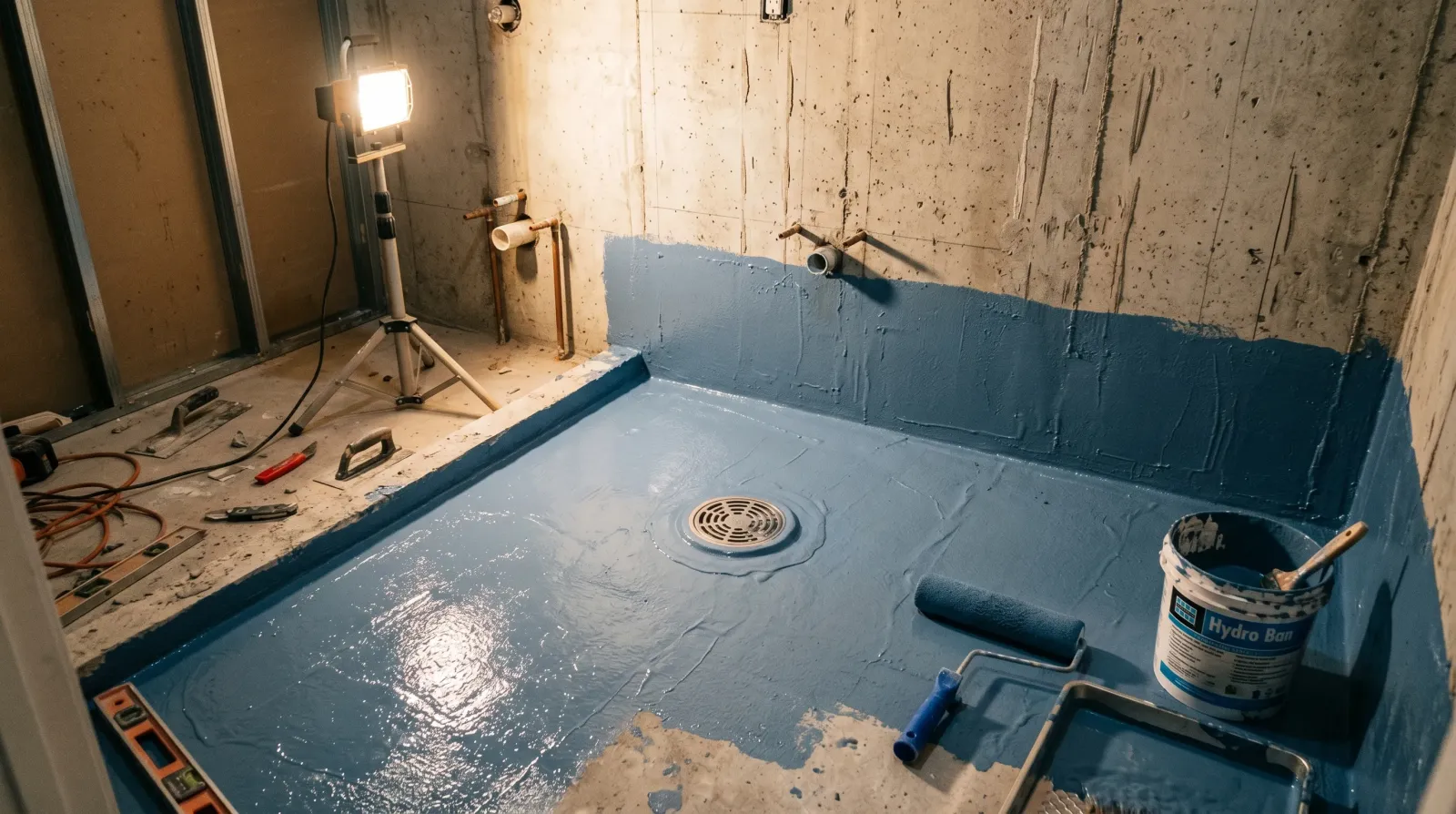
Bathroom Waterproofing: The Most Critical Step
When you strip a bathroom down to the slab, the original waterproofing membrane is disturbed or removed. Applying a new membrane is not optional — it's essential.
Water seepage into the unit below is the most common and contentious issue in Malaysian condominiums. The cost of rectifying water damage to a neighbour's ceiling, walls, and furnishings far exceeds the cost of proper waterproofing.
A quality waterproofing job includes:
- •Membrane on the entire floor and at least 150mm up the walls
- •Full-height membrane on shower walls
- •Proper curing time before any tiling
- •A 24 to 48-hour ponding test to verify the membrane is watertight
Never let your contractor skip the ponding test. Repairing a leak after tiling means ripping everything out and starting over.
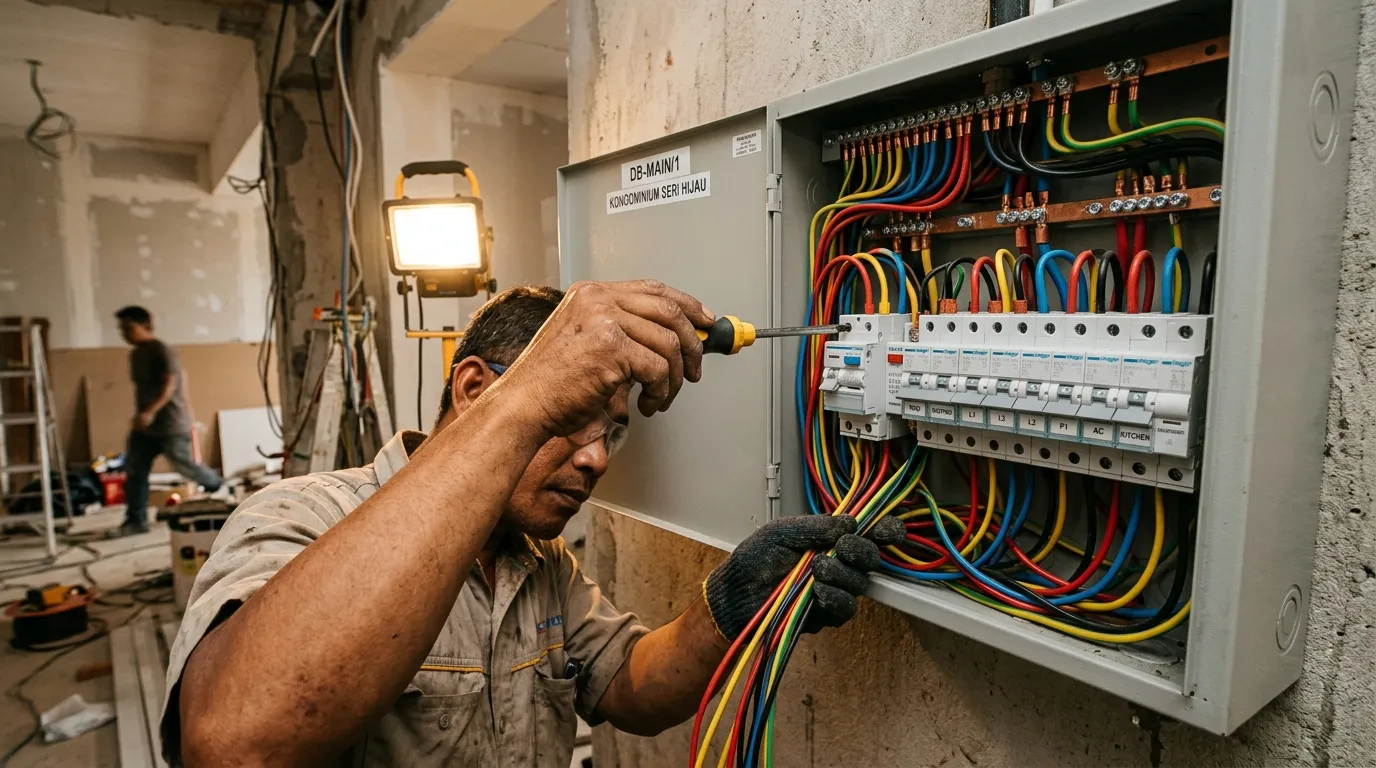
Electrical Rewiring and Power Planning
Many older condos were wired with fewer power points and lower amperage than modern lifestyles demand. If your unit is more than 10 years old, consider upgrading the distribution board (DB box) and rewiring.
Plan your power points and light switches during the design phase — not after carpentry and tiling are complete. Adding a point later means chasing a channel through finished walls, which is messy and costly.
- •Place at least two double power points on every wall in living areas and bedrooms
- •Ensure dedicated 20A circuits for high-draw appliances like ovens and water heaters
- •Plan aircon points, TV points, and USB outlets before carpentry begins
Interior Designer vs Contractor: Which Should You Hire?
| Factor | Standalone Contractor | Design & Build Firm |
|---|---|---|
| Cost | Lower upfront | Modest premium |
| Design | You source your own | Concept to 3D visualisation included |
| Coordination | You manage suppliers and trades | Single team handles everything |
| Risk | Higher — miscommunication between parties | Lower — one point of contact |
| Best for | Experienced renovators | First-time owners |
For first-time renovators, the design-build approach reduces miscommunication, scheduling conflicts, and quality inconsistencies. The modest premium typically pays for itself in time saved and mistakes avoided.
How Long Does a Condo Renovation Take?
A realistic timeline is 8 to 12 weeks for a mid-range scope. Here's a rough breakdown:
- •Management approval — 1–2 weeks
- •Hacking and demolition — 1 week
- •Electrical and plumbing rough-in — 1–2 weeks
- •Plastering, waterproofing, tiling — 2–3 weeks
- •Carpentry installation — 2–3 weeks
- •Touch-ups, cleaning, defect inspection — 1 week
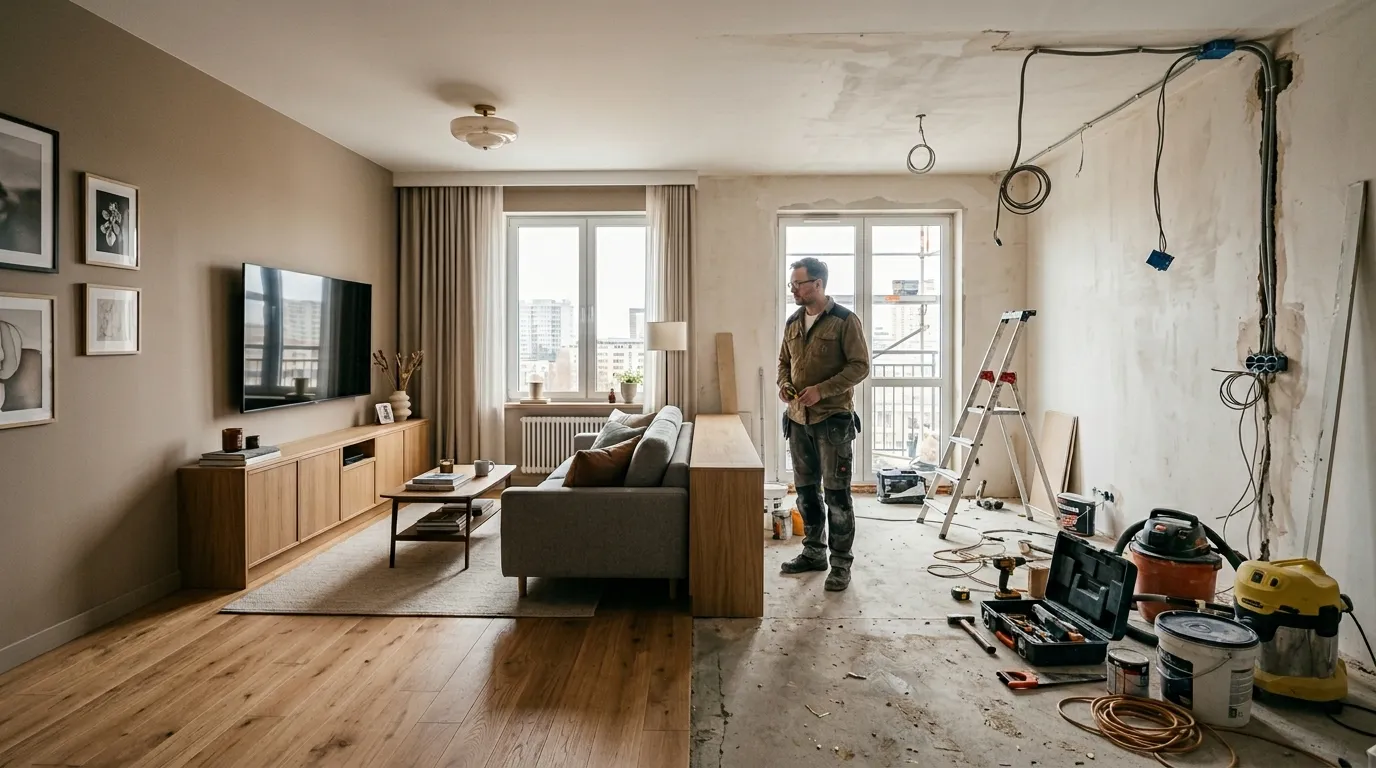
What happens at each stage
Hacking and demolition is the noisiest phase — old tiles, partition walls, and built-ins are removed. Your management will monitor noise levels closely during this period. All debris must be cleared through the designated loading area, not the main lobby.
Electrical and plumbing rough-in happens while the walls are still exposed. This is when new power points, lighting positions, and pipe routes are installed. Changes after this stage mean chasing channels through finished plaster — expensive and messy.
Plastering, waterproofing, and tiling is the longest single phase. Waterproofing must cure before tiling begins, and tile adhesive needs setting time between sessions. Rushing this stage leads to hollow tiles and water seepage.
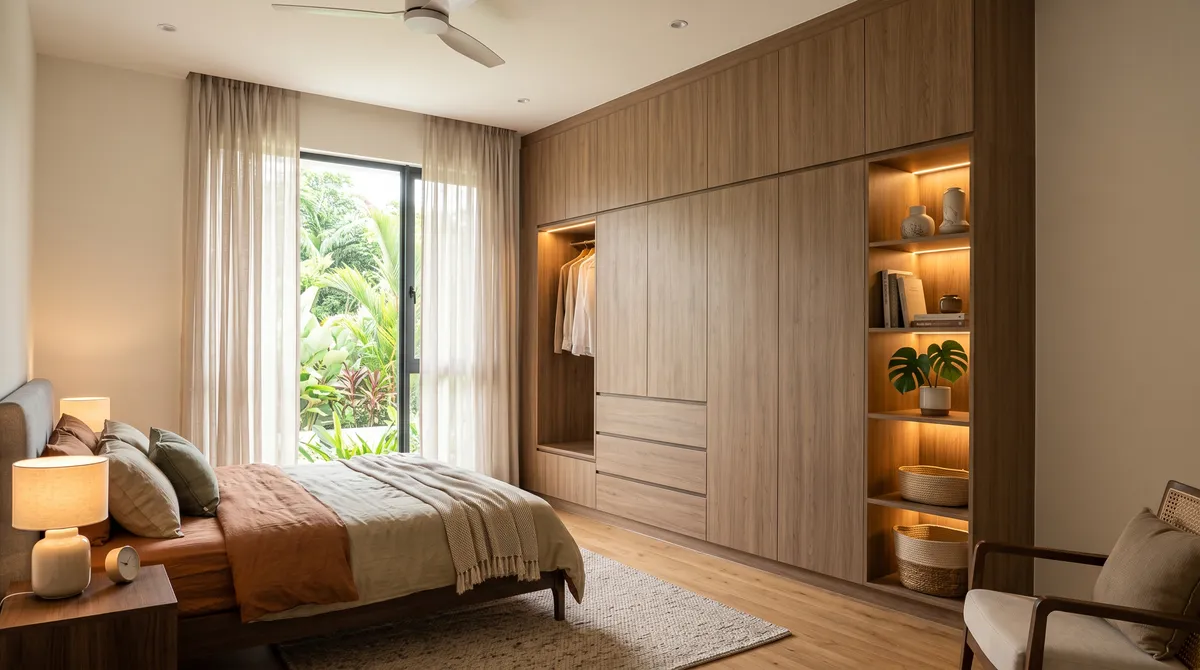
Carpentry installation is where your renovation starts looking like a home. Built-in wardrobes, kitchen cabinets, TV consoles, and shoe cabinets are fitted. This phase requires the most precision — a millimetre off shows in the gap between the cabinet and the wall.
Condo vs landed house renovation timeline
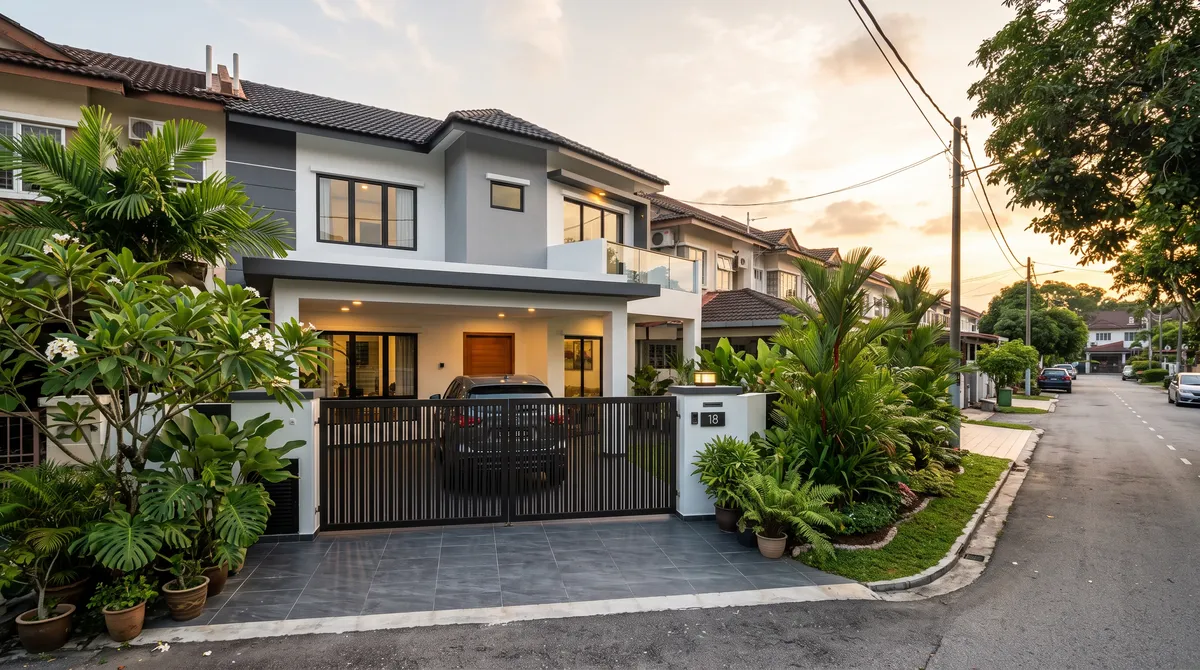
A landed house renovation typically takes 12 to 20 weeks — longer than a condo because the scope is usually larger and may include external works like roofing, car porch, and grill installation. Landed houses also allow more flexibility with structural changes, which adds complexity. For a full breakdown of terrace house costs, permits, and timelines, see our terrace house renovation guide.
The key differences that affect your house renovation timeline:
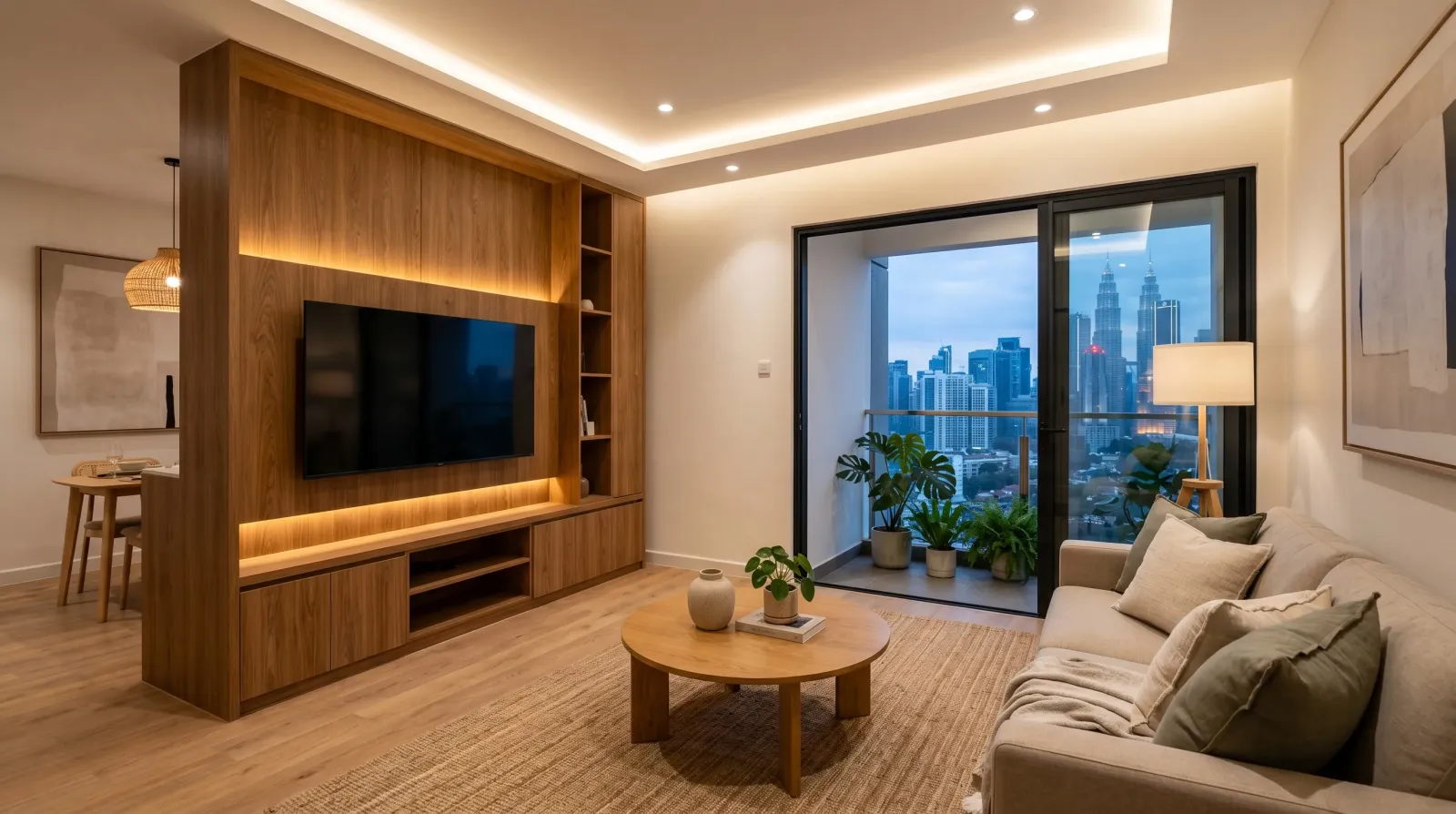
- •No management restrictions — you can work longer hours and on weekends, which speeds up demolition and noisy works
- •Larger floor area — more rooms, more bathrooms, and outdoor areas mean more trades working in parallel
- •External works — roofing, façade painting, gate and grill installation, and landscaping are additional phases that condos don't have
- •Structural modifications — landed houses allow more layout changes (removing load-bearing walls with proper steel beam support), which adds 2–4 weeks for engineering and structural work
Whether you're renovating a condo or a landed house, the most common cause of delays is the same: making design decisions during construction. Finalising all material selections, colour choices, and layout decisions before work begins is the single most effective way to keep your renovation on schedule.
Delays are common. Material shortages, management-imposed stoppages during festive periods, and rainy season logistics can each add days or weeks. If you're renting while renovating, budget for at least one extra month of rent as a safety net.
Common Condo Renovation Mistakes to Avoid
- •Skipping management approval — leads to stop-work orders and fines
- •Hacking structural walls without professional assessment — risks structural damage and legal liability
- •Choosing the cheapest quote without verifying track record — poor workmanship costs more to fix
- •Overlooking waterproofing — the #1 cause of disputes with downstairs neighbours
- •Forgetting to plan storage — cluttered rooms despite an expensive renovation
- •Making design decisions on the fly — choosing tiles, handles, and colours during construction causes delays and budget overruns
For a deeper dive into each of these pitfalls — including CIDB verification, payment structures, and material choices for tropical humidity — read our 10 Renovation Mistakes Malaysian First-Time Homeowners Always Make.
Your Condo Renovation Checklist
Before starting your renovation, work through this list:
- •Obtain and read your management's renovation guidelines
- •Set a realistic budget with a 15% contingency
- •Decide on your renovation scope and priorities
- •Shortlist and vet at least three interior design firms or contractors
- •Review portfolios for completed condo projects similar to yours
- •Request detailed quotations that itemise materials and labour separately
- •Check for valid contractor insurance
- •Confirm the payment schedule — never pay 100% upfront
A typical payment structure is 10% deposit, progress payments at agreed milestones, and a 5% retention sum released after defect rectification. With proper preparation, your condo renovation can be a smooth process that transforms a bare unit into a home that fits your lifestyle perfectly.
Looking for an interior designer near you?
OutBox Design serves homeowners across the Klang Valley with full design-and-build services.