Sustainable Interior Design: Eco-Friendly Materials and Practices
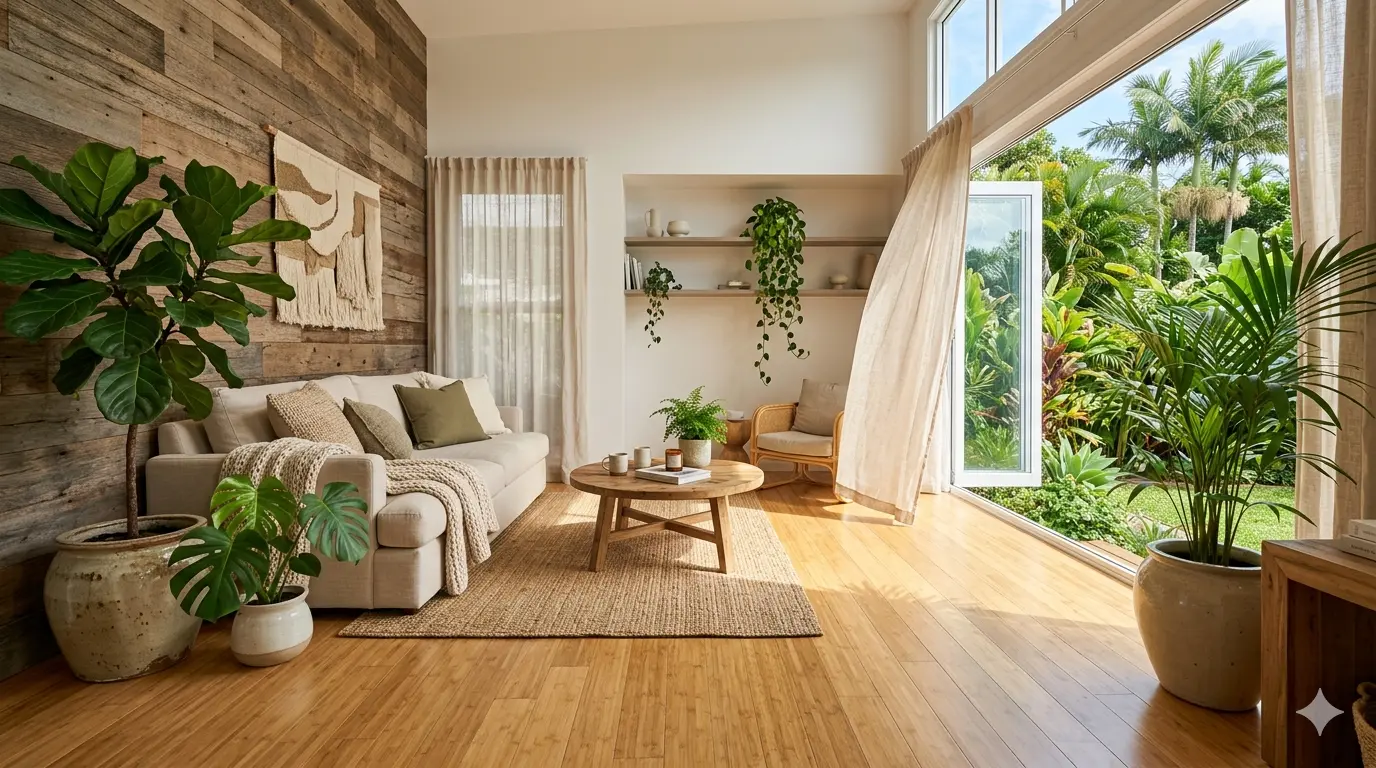
Sustainable interior design has moved far beyond a niche trend — it's becoming the standard for responsible homeowners. In Malaysia, where rapid urbanisation has heightened awareness of environmental issues, more clients are asking how their renovation choices impact the planet. The good news is that eco-friendly design doesn't require sacrificing beauty or comfort.
Key takeaways
Bamboo reaches maturity in 3–5 years vs decades for hardwood — it's harder than most hardwoods and thrives in tropical climates.
Low-VOC and zero-VOC paints eliminate harmful chemical emissions and perform just as well as conventional options.
LED lighting uses 80% less energy and lasts 15–25 times longer than incandescent bulbs.
Think lifecycle cost, not purchase price — durable materials that last decades beat cheap alternatives replaced every few years.
Sustainable Materials
Bamboo
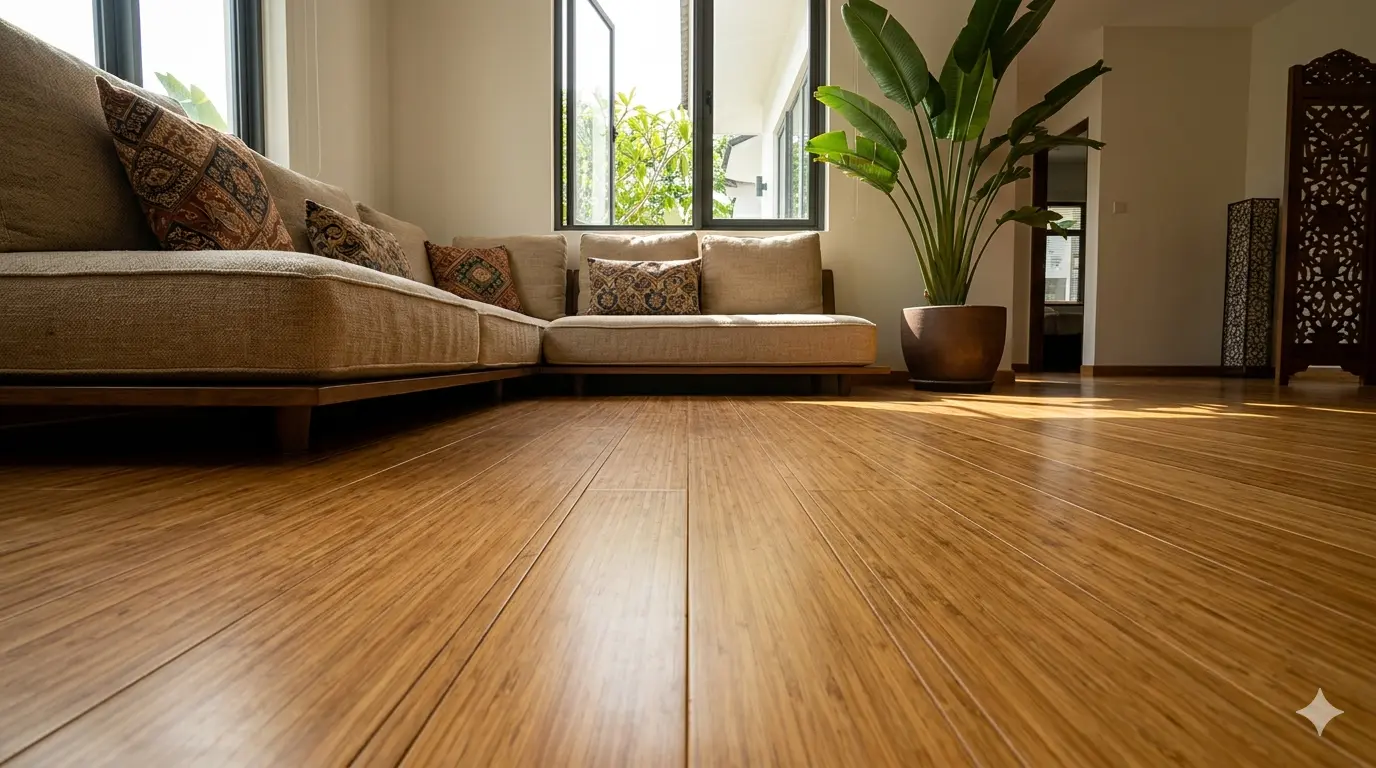
Bamboo is one of the most remarkable sustainable materials available. It's technically a grass, not a tree, and can grow up to a metre per day — reaching maturity in just three to five years compared to decades for hardwood. It regenerates from its own root system, requires no pesticides, and absorbs more carbon dioxide than equivalent stands of timber. In the home, bamboo works beautifully for flooring, cabinetry, shelving, and decorative accessories.
Reclaimed and recycled materials
Reclaimed wood from old buildings, warehouses, or shipping pallets can be transformed into feature walls, dining tables, and kitchen countertops. Each piece carries its own history — knots, grain patterns, and patina that cannot be replicated with new materials. Recycled glass countertops and tiles offer vibrant colour options while diverting waste from landfills. In Malaysia, a growing community of makers specialise in upcycled and reclaimed materials.
Indoor Air Quality
Conventional paints, adhesives, and finishes release Volatile Organic Compounds (VOCs) — chemicals that cause headaches, respiratory irritation, and long-term health issues. These emissions can continue for months after application.
Healthier alternatives:
- •Low-VOC and zero-VOC paints — widely available, full colour spectrum, same performance
- •Low-emission adhesives — look for E0 or E1 rated products
- •Formaldehyde-free boards — essential for bedrooms and children's rooms where air quality directly impacts health
Natural Textiles
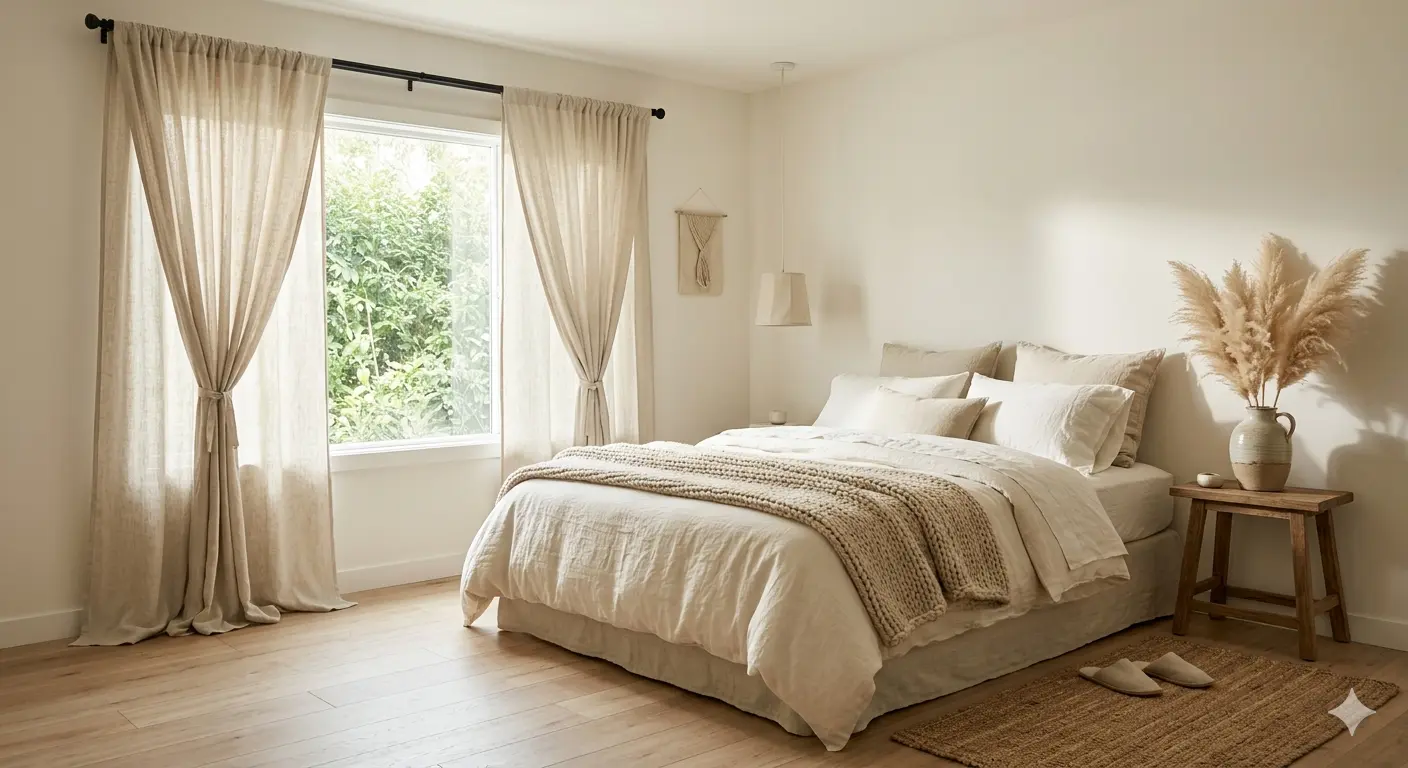
Organic cotton, linen, hemp, and jute are biodegradable, grown with fewer chemicals, and often more durable than synthetic alternatives. Linen curtains, organic cotton bedding, and jute rugs reduce your environmental footprint while adding layered, tactile warmth that synthetic fabrics struggle to match.
Look for these certifications:
- •GOTS (Global Organic Textile Standard)
- •OEKO-TEX — verifies textiles are free from harmful substances
Energy Efficiency
Lighting
LED lighting uses up to 80% less energy than incandescent bulbs and lasts 15–25 times longer — fewer replacements and less waste. Smart lighting systems with motion sensors, timers, and daylight-responsive dimming reduce consumption further.
Cooling
Ceiling fans supplement air conditioning effectively in Malaysia's tropical climate. A good ceiling fan makes a room feel several degrees cooler, letting you set your aircon higher and save significantly on electricity.
Water Conservation
Simple fixture swaps make a meaningful difference:
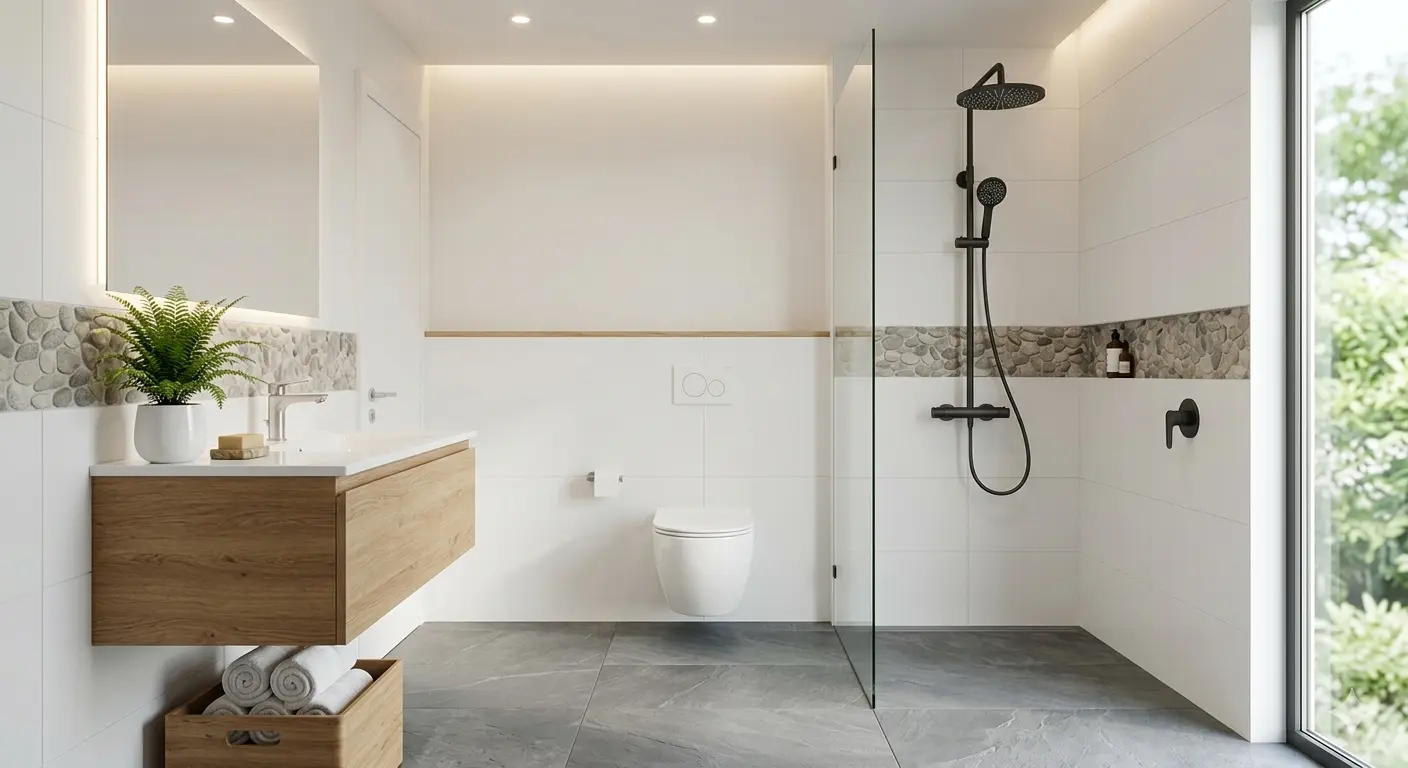
- •Low-flow faucets and showerheads — reduce water usage by 30–50% without affecting pressure
- •Dual-flush toilets — save thousands of litres per year
- •Single-lever mixer taps with aerators — reduce waste during food preparation
These fixtures typically cost the same as conventional alternatives.
Furniture: Buy Quality, Buy Once
Mass-produced furniture often uses low-quality materials that break down within a few years. Instead:
- •Invest in FSC-certified wood products from sustainable sources
- •Consider vintage and second-hand pieces — keeps existing items in circulation with superior craftsmanship
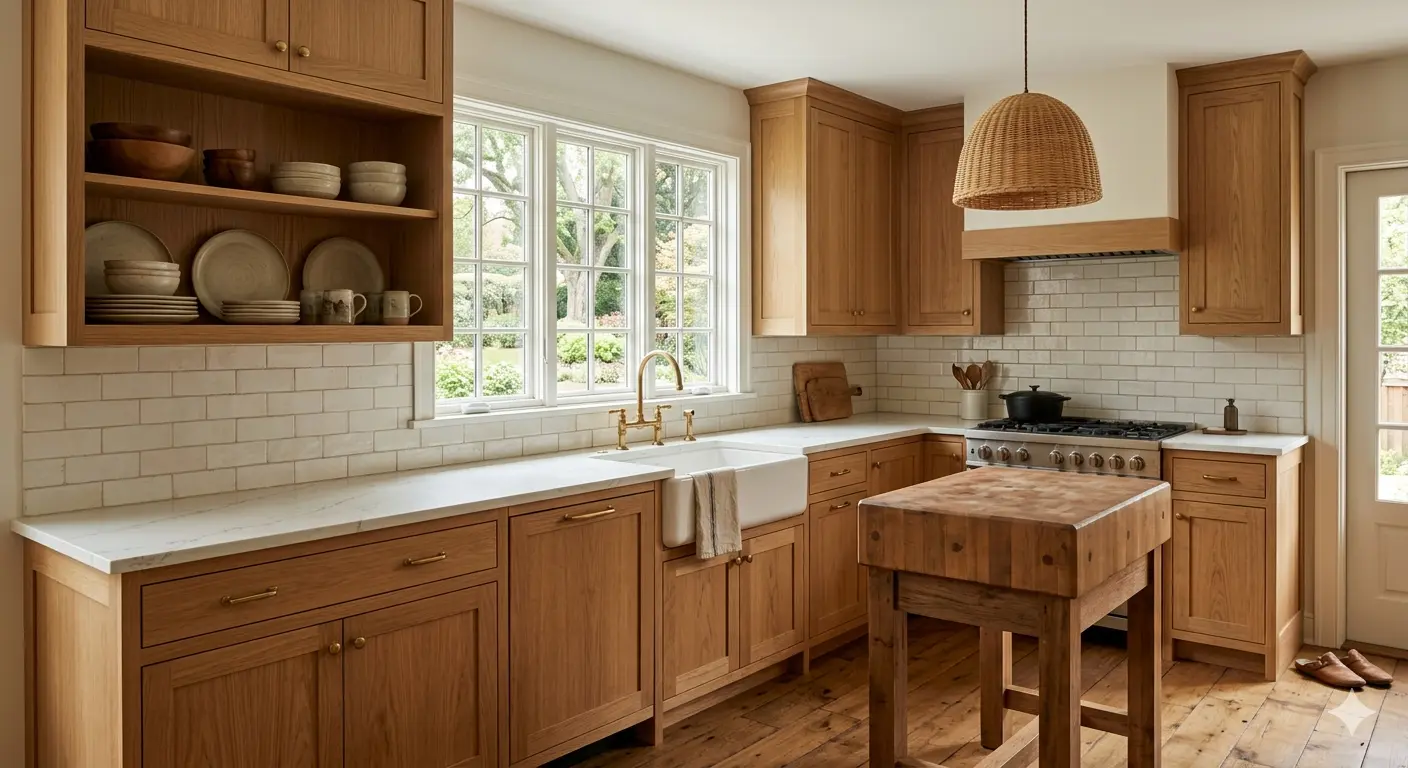
- •Choose durable materials — a solid wood dining table from decades ago will outlast modern flat-pack alternatives
Design for Longevity
Think in terms of lifecycle, not just purchase price:
- •A quartz countertop lasting 25 years is more sustainable than laminate replaced every seven
- •Solid wood flooring that can be sanded and refinished outlasts vinyl that must be discarded
- •Timeless aesthetics prevent another renovation cycle — express personality through easily changeable elements like art, cushions, and plants
Getting Started
You don't need to overhaul everything at once. Start with the areas that have the biggest impact:
- •Lighting — switch to LEDs throughout
- •Paint — choose low-VOC for any room being painted
- •Major furniture — invest in quality pieces from sustainable sources
A beautiful home and a healthier planet are not competing goals — with thoughtful design, they go hand in hand.
Looking for an interior designer near you?
OutBox Design serves homeowners across the Klang Valley with full design-and-build services.