Modern vs Traditional Interior Design in Malaysia: Finding Your Style
Choosing an interior design style is one of the most important — and often most overwhelming — decisions in any renovation. With endless inspiration on Pinterest, Instagram, and design magazines, it's easy to feel pulled in a dozen directions. Understanding the core principles behind major design styles can bring clarity and help you create a home that genuinely reflects who you are.
Key takeaways
Modern design follows 'form follows function' — clean lines, minimal ornamentation, and restrained colour palettes.
Traditional design celebrates craftsmanship, rich materials, and layered details inspired by European decorative traditions.
Transitional design blends the best of both — the most popular style in Malaysian homes today.
You don't need to commit to a single style — the best interiors blend elements thoughtfully with consistent colour and material quality.
Modern Design
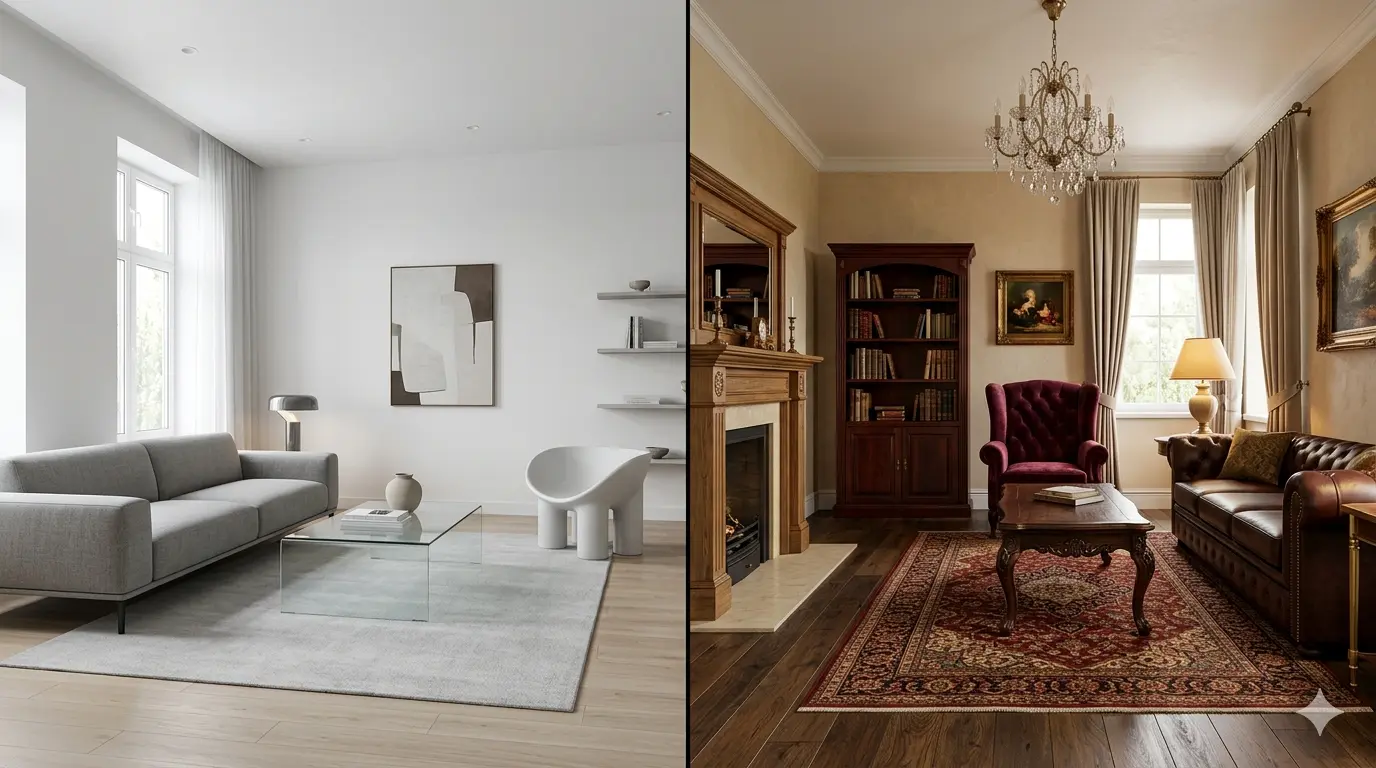
Modern design emerged in the early to mid-20th century as a deliberate departure from ornate, heavily decorated interiors. Its core philosophy is 'form follows function' — every element serves a purpose.
Key characteristics:
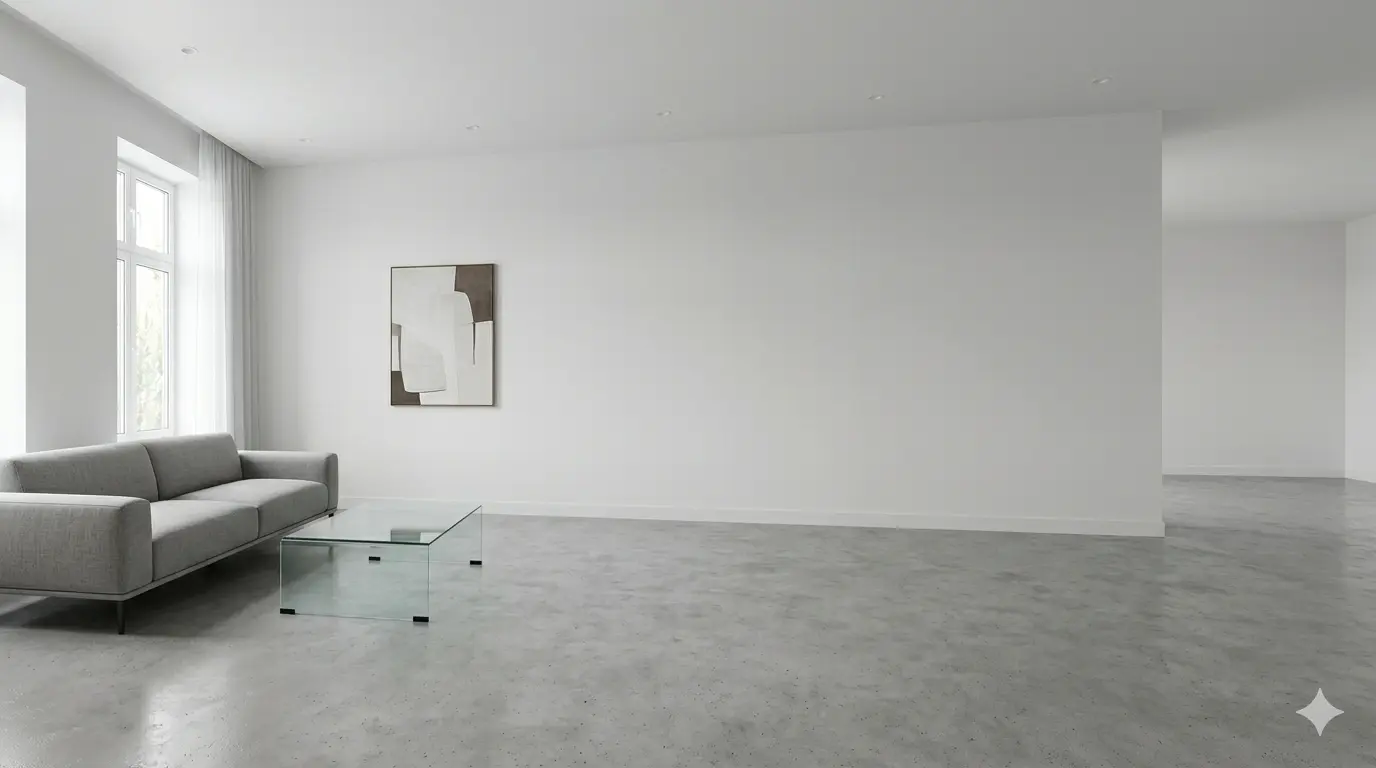
- •Clean lines and open floor plans
- •Minimal ornamentation — negative space is a design element
- •Restrained colour palette — whites, greys, blacks, with bold accents
- •Materials — steel, glass, concrete, smooth wood
- •Low-profile furniture with geometric shapes
The appeal is clarity and calm. Fewer objects competing for attention, uncluttered surfaces, and an overall effect of order and intention. For busy professionals, modern interiors are also practical — fewer decorative objects means less maintenance.
Traditional Design
Traditional design draws from European decorative traditions of the 18th and 19th centuries — English country manors, French châteaux, and Italian villas. It celebrates craftsmanship, rich materials, and layered details.
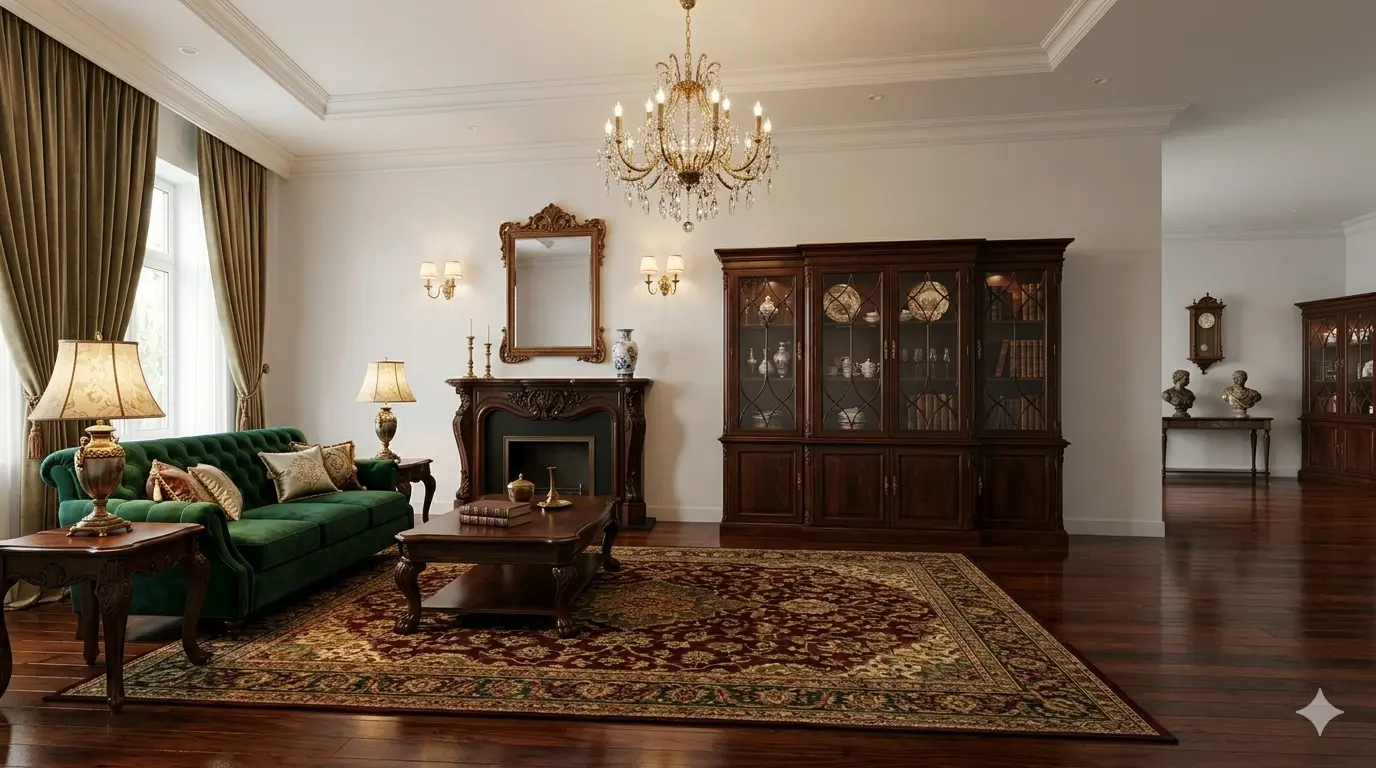
Key characteristics:
- •Formal furniture arrangements and symmetrical layouts
- •Architectural details — crown moulding, wainscoting, coffered ceilings
- •Luxurious fabrics — silk, velvet, brocade in damask, floral, or paisley patterns
- •Dark, polished wood finishes
- •Plentiful decorative accessories — curated and meaningful
Traditional design feels warm, established, and inviting. It creates rooms that feel lived-in with a sense of history and permanence. The style rewards those who appreciate furniture as heirloom pieces — chosen carefully and expected to last generations.
Contemporary vs Modern: They're Different
Modern refers to a specific historical movement with defined principles. Contemporary means 'of the moment' — it reflects whatever is current right now. Today's contemporary design leans toward warm minimalism, natural materials, curved forms, and earthy colour palettes — quite different from the sharp, industrial edge of strict modernism.
Transitional Design
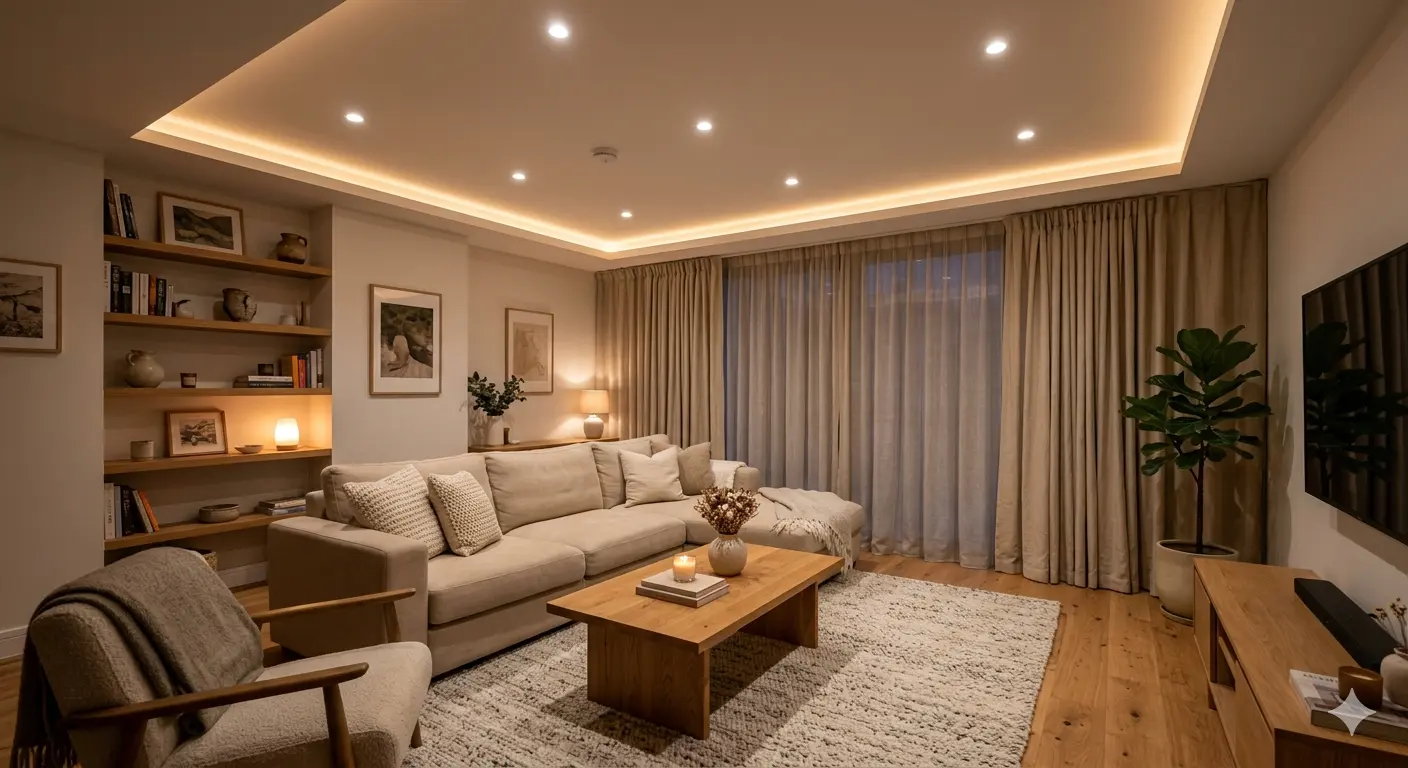
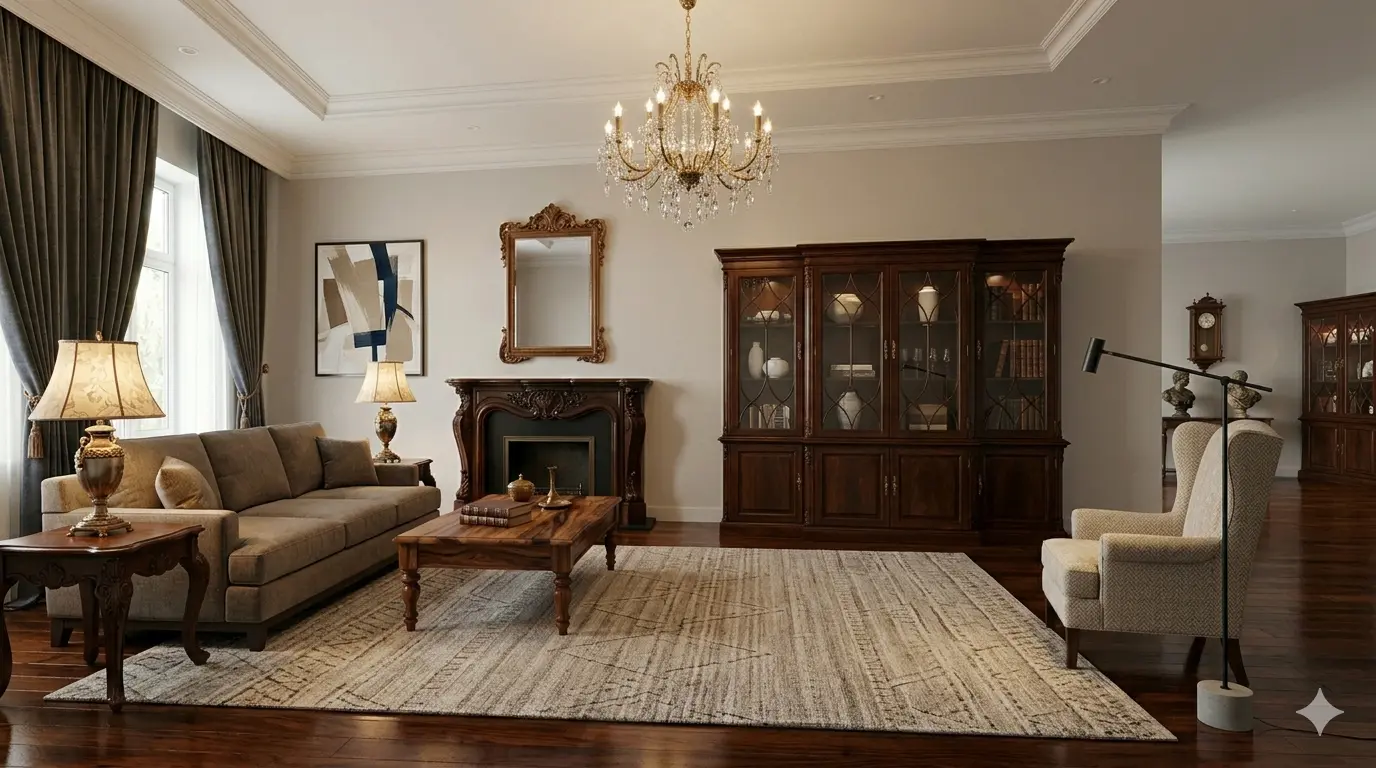
Transitional design occupies the sweet spot between modern and traditional, and it's one of the most popular styles in Malaysian homes today. It combines clean lines and an uncluttered approach with warmth, texture, and comfort.
A transitional living room might feature a streamlined sofa in neutral fabric paired with a richly grained wood coffee table, classic table lamps, and a simple area rug. The result feels both current and timeless — neither too stark nor too ornate.
Popular Styles in Malaysian Homes
| Style | Best For | Key Features |
|---|---|---|
| Scandinavian | Compact apartments | Light wood, white walls, functional simplicity |
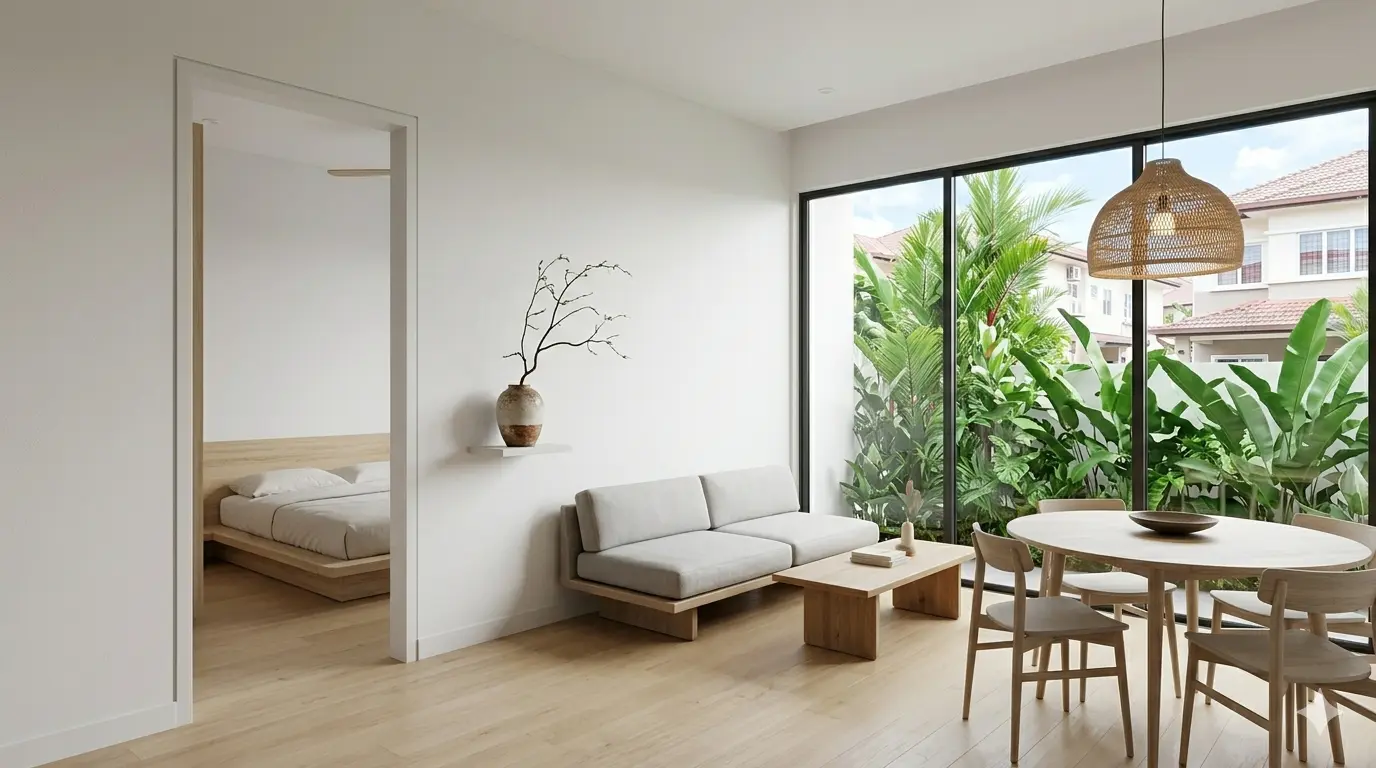
| Japandi | Serene, nature-connected spaces | Japanese minimalism meets Scandinavian warmth |
| Industrial | Lofts, urban homes | Exposed brick, metal fixtures, raw textures |
| Transitional | Families, flexible spaces | Modern clean lines with traditional warmth |
| Modern minimalist | Busy professionals | Uncluttered, low-maintenance, intentional |
Finding Your Personal Style
Start with self-observation rather than trend research:
- •Look at spaces where you feel most comfortable and happy — minimalist hotels, cosy cafés, eclectic living rooms
- •Save images and look for patterns — do you gravitate toward clean surfaces or layered displays? Neutral palettes or bold colours?
- •Consider how you actually use your home — young children and pets don't mix well with white upholstery and glass surfaces
- •Think about whether you work from home — your style needs to accommodate a functional office space
Blending Styles Thoughtfully
You don't need to commit to a single style in every room. A modern kitchen can flow into a transitional living room. A minimalist bedroom can coexist with a warmly traditional study. The key is maintaining visual cohesion through:
- •Consistent colour temperature across connected spaces
- •Complementary materials — not identical, but harmonious
- •Shared sense of quality — mixing quality levels feels jarring, mixing styles doesn't
Living with Your Style
Your style will evolve over time, and that's perfectly natural. Start with foundational pieces — sofa, dining table, bed frame, major cabinetry — in timeless silhouettes. Then layer in personality through accessories, artwork, textiles, and lighting, which are easier and less expensive to change.
The goal isn't to achieve a magazine-perfect room on day one. It's to create a home that feels genuinely yours — comfortable, functional, and a true reflection of the people who live in it.
Looking for an interior designer near you?
OutBox Design serves homeowners across the Klang Valley with full design-and-build services.